If you take care of safety and security programs across multiple plants, laboratories, or storehouses, you currently know handwear covers are a peaceful budget plan drain and a visible waste stream. They pile up in drums and dumpsters, and they lug a great deal of embedded price: raw materials, procurement expenses, storage, circulation, and the labor of transforming them out. Scaling PPE gloves recycling changes that waste right into a managed loop, yet the win just occurs when the program fits real operations, not simply a pilot edge in one structure. I have actually aided turn out glove recycling from single-bay tests to multi-country networks. What adheres to is the course that really functions, including what to determine, where it damages, and just how to keep cross-contamination avoidance airtight while verifying the business case.
The situation for a network strategy, not just site-by-site
Gloves really feel little, however volume magnifies across sites. A tool production school can consume 5 to 10 million non reusable handwear covers a year. Range that to a network of eight facilities and you are moving actual loads. When reusing is managed centrally, you protect much better transportation rates, regular materials managing, and merged training. You additionally avoid a balkanized configuration where each website improvisates treatments, taking the chance of cross-contamination and compliance headaches.

A network strategy likewise gives you the only thing financing counts on: comparable information. A typical ROI calculator, standardized capture prices, and shared presumptions concerning glove cleansing or recycling yield allow you to report a defensible return. Whether you companion with a vendor such as Libra PPE Recycling or design a crossbreed program, harmonization beats heroics every time.
What success appears like in practice
When a multi-site program jobs, you see four steady patterns. Initially, the waste stream comes to be predictable. Filled containers leave on a tempo that shipping can plan, rather than sporadic immediate pickups. Second, the audit trail checks out the very same in every facility. Third, security leads quit fighting old battles regarding blended waste since sorting is developed into the process. Ultimately, procurement notices a measurable decrease in virgin glove acquisitions as reprocessed handwear covers recede right into accepted usage situations. That loop, the round economic situation version put on PPE, is not an abstract banner. It turns up as lower acquiring quantity for certain handwear cover groups and reduced disposal spend for controlled solid waste.
Start with a threat map, not a supplier brochure
Before you discuss boxes, linings, or shipping timetables, map the handwear cover danger courses in your network. Chemical dash zones, biohazard labs, cleanrooms, food-grade lines, and general taking care of all carry various rules. Some handwear covers will be disqualified for recycling, and proclaiming those borders early is how you keep credibility with EHS and high quality. I develop a three-tier map.
Tier one is eligible and reduced danger: general-purpose nitrile or latex handwear covers used for light setting up, product packaging, or upkeep where contamination danger is non-regulated. Tier two is conditionally qualified: handwear covers from controlled tasks that carry residues that a certified glove cleansing process can remove, with screening to confirm recurring thresholds. Tier three is disqualified by policy: biohazardous, contaminated, some solvent-saturated gloves, and anything that touched illegal drugs. If there is any kind of uncertainty, it stays in tier 3 till lab data shows otherwise.
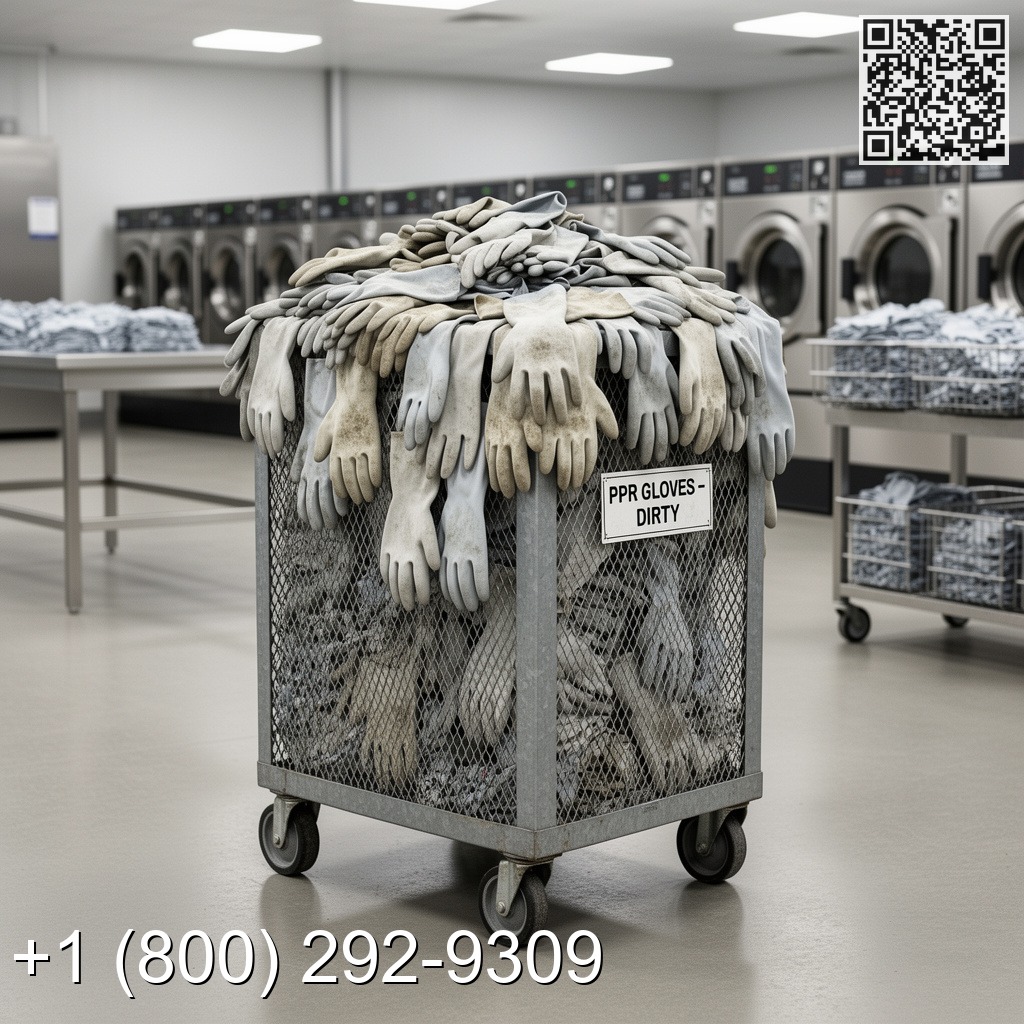
That tiering becomes your program's back. It dictates which containers live where, what signs says, what the standard operating procedures require, and which handwear covers can flow right into a reusing stream or a handwear cover cleaning step. It additionally determines where you need stringent cross-contamination prevention such as color-coded receptacles, locked covers, and spatial separation from regulated waste.
Getting the partners and the mathematics right
Most companies lean on an outside expert. Libra PPE Recycling is one instance of a partner that provides container programs, logistics, and downstream processing developed for PPE gloves recycling. Whether you pick Libra or one more vendor, demand transparency regarding end markets, yield prices, and contamination limits. Request certain data on exactly how they cleanse or procedure gloves, what portion winds up reused, and what comes to be of the residuals. The trustworthy operators will certainly share mass-balance numbers and independent testing.
Use a simple ROI calculator early, then improve it. A good design includes:
- Baseline handwear cover acquisition volume and price by classification, preferably with three to six months of information to smooth spikes. Capture rate assumptions by tier, with a reduced, anticipated, and high range. Logistics expenses by website cluster, making up backhaul opportunities and container turns. Processing costs per pound or per container. Avoided disposal expense for solid or controlled waste. Reuse or reprocessed glove offset, if you will in fact put cleansed or remanufactured handwear covers back right into accepted tasks.
Start with traditional capture rates. If a pilot on one website records 60 percent of qualified handwear covers after two months, do not anticipated 80 https://www.librami.com/readyship-glove-and-ppe-recycling percent for the network. Usage 45 to 55 percent, then adjust after quarter one. The ROI seldom comes from one bar. It is a blend of avoided disposal, decreased purchases where reprocessed gloves are authorized, less ad-hoc shipments, and far better stock control. Money will ask the apparent concern: what touches cash money? Having those lines ready matters.

Cross-contamination prevention is the linchpin
You scale just if you gain depend on. Operators and lab technicians need clear signals that recyclable PPE does not join managed waste, which cleansed handwear covers do not sneak right into risky tasks. The most effective controls are mundane and stubbornly constant. Color-coded receptacles with lids that just accept gloves, put at point of usage. Line-side signs that names the handwear cover type. Educating that shows fast circumstances of what goes where, using photos of your own products and terminals. Supervisors who can flag incorrect blends without making it a corrective spectacle.
Auditing maintains the loop closed. You do not require a complicated scorecard. Spot-check bags by change and zone, document contamination incidents, and repair root causes. In a packaging area, a spike in mixed waste commonly traces back to a temporary line change or a mislabeled container. In a laboratory, it can be a new assay that utilizes a solvent the group thought was eligible. Remedy the map, retrain, and maintain going.
Choosing the appropriate containers and flow
The container conversation has a tendency to infatuate on cost and capability. Check out managing first. Line workers will not walk 50 meters to a receptacle, and nobody wants to swap liners in the center of a batch. Right-sized containers near leaves, with a cover aperture that matches a glove drop, make engagement reflexive. In high-traffic zones, slim receptacles versus a pillar beat large bins that block movement.
At the structure degree, settle to secured rolling carts. That allows you phase outgoing tons and confirm contents prior to they move to the dock. For multi-site operations, line up pickup schedules with existing products. If your network currently ships item or returns from a site every Thursday, solve glove logistics on that particular path. Backhauls minimize expense and carbon. Libra PPE Recycling and similar providers will deal with your provider or bring their own, yet the cheapest mile is the one you currently run.
Glove cleansing and where reuse fits
There is a quiet argument about cleaning versus mechanical recycling. Both have duties. Glove cleaning, when dealt with by a certified procedure with confirmed bioburden or residue elimination, can return gloves to solution in low-risk tasks. That is a straight decrease in acquiring and a fast method to show the round economy version at work. The guardrails are critical: recycled gloves must be boxed independently, classified for approved uses, and blocked from risky zones.
Mechanical recycling, which converts gloves right into polymer feedstock for mats, pallets, or built components, is the broader sink. It prevents the health debate and takes blended shades and grades. The yield differs by polymer type and contamination. A practical split is to cleanse where you can enforce strict resource control, and recycle the rest. Be candid with teams regarding this mix, and release the regular monthly breakdown. People engage when they see what takes place to the gloves they drop in the bin.
Training that actually sticks
Corporate slide decks do not change actions level that moves 60 containers a minute. Site-level training does. I train trainers in ten-minute blocks timed to move handovers. We stroll the course, indicate the container, get a handwear cover, and demonstrate the decline. We turn a rejected item right into the proper waste, then explain why. Two weeks later, we duplicate. Individuals remember what they do, not what they hear once.
New-hire onboarding must consist of a brief component on PPE gloves and waste flows. Maintain it neighborhood. If gloves at Site A are blue nitrile and at Website B are black, do not show supply pictures of purple handwear covers. Print tags with your SKU and vendor names. In a laboratory setup, include a one-page matrix showing assay kinds and qualification. No one has time to decipher common advice during a run.
Data: the peaceful engine behind scale
You do not require an information lake to run PPE gloves recycling well, however you do need a self-displined tempo. I ask each site to report five numbers month-to-month: approximated handwear covers taken in, containers delivered, contamination cases, extra pounds refined, and any reuse volume reintroduced. With those numbers, you can determine capture rate, expense per extra pound, and difference from plan. Roll them up quarterly for management and procurement.
Where feasible, tie glove issuance to set you back centers. Vending equipments or badge-controlled closets are valuable not for limitation, but also for exposure. If a division's consumption increases 30 percent, you can examine whether manufacturing quantities justify it or whether glove size accessibility pressed individuals to dual glove inappropriately. The factor is not to police, however to reveal patterns that squander both money and effort.
Policy: light touch, firm boundaries
A policy that runs 3 web pages and begins with function and range tends to land better than a 20-page tome. Write it in functional language. State which gloves are eligible, which are not, and who makes a decision side instances. Assign possession of receptacles, transport to debt consolidation, audit checks, and case coverage. Make reprocessed gloves opt-in by department, with EHS signoff. For controlled waste, cross-reference existing procedures so there is no ambiguity.
One stipulation worth defining: any kind of suspected cross-contamination occasion causes immediate quarantine of that container and a recorded evaluation. The goal is not to appoint blame, yet to demonstrate diligence. Regulatory authorities and high quality auditors seek patterns and restorative actions. If the records reveal you catch and correct, you develop trust.
Making the ROI visible to individuals doing the work
Financial arguments issue at the top, but the daily motivation originates from seeing results. Blog post monthly numbers on the very same board that reveals security metrics and on-time distribution. If the network diverted 18,000 extra pounds last month, convert it into something responsive, like the number of pallets of product prevented or the equivalent of a truckload. If reprocessed handwear covers conserved 12 percent in the maintenance store's spending plan, let the manager decide how to reinvest a section, perhaps in far better handwear cover dispensers or a cleanroom-grade cart. When teams see agency, they suffer the program.
The ROI calculator is a living file. As capture rates improve or logistics paths alter, update the inputs, after that share the delta. When a website manager requests for even more labor to solution containers, it assists to reveal that an added half-hour per shift yields an internet financial savings after prevented disposal and acquiring. These are practical trade-offs. Being clear about them keeps the program useful and respected.
Handling multi-country complexity
If your websites span borders, policies change. Some countries treat used PPE as metropolitan strong waste unless infected. Others default to hazardous waste, with different handling regulations. Deal with regional EHS and the reusing companion to map these differences. Libra PPE Recycling and peers commonly preserve country-specific conformity structures. Still, you must review the relevant advice yourself. Readjust labeling, materializes, and storage durations per territory. Build slack into timelines for customizeds if you ship consolidated loads in between countries. Sometimes a country-by-country processing setup beats cross-border consolidation, also if it costs a little bit much more, just to reduce management risk.
Tackling side cases without derailing momentum
Every network has the website that runs an one-of-a-kind solvent or processes a biologic that makes handwear cover recycling awkward. Do not allow perfection block progression. Isolate the exemption, specify it, and maintain it out of the reusing stream. Meanwhile, run the typical program everywhere else. Gradually, you can test whether glove cleansing can make that side situation eligible, making use of examples, laboratory analysis, and supplier validation. Release the result, whatever it is. If the solution is no, individuals appreciate the sincerity, and the rest of the program retains its credibility.
A second edge case is abrupt demand shocks. A new production line or a quality alert can double handwear cover usage for a month. If you run out of containers or delivery home windows, handwear covers will flow to general waste. That is not failure; it is a procedures truth. Develop a buffer of containers on every website and enable rise pickups during planned launches. Supply planning matters as much for bins and linings as it provides for handwear covers themselves.
What to ask a vendor before you sign
If you are assessing Libra PPE Recycling or any kind of various other provider, press for specifics. Do they accept only nitrile, or can they manage latex and vinyl? What contamination thresholds do they enforce, and exactly how do they measure them? Can they sustain glove cleaning for reuse with recorded validation, or only mechanical recycling? Exactly how do they protect against cross-contamination in their very own facilities? What reporting do they offer monthly, and can they style it by website and price facility? Finally, request for recommendations with multi-site programs, not just pilots. Scaling is a different muscular tissue than offering boxes and setting up a pickup.
Bringing procurement right into the circle
Procurement holds the tricks to pricing and vendor connections, yet they additionally manage intricacy. Entail them early. If reprocessed gloves will certainly supplement certain groups, the primary handwear cover distributor must understand and straighten supply preparation. In some cases, the most effective step is to purchase fewer SKUs and rely upon reusing to soak up blended waste streams, rather than chasing after excellent color and density suits that make complex sorting. Procurement can also bargain mixed agreements where the PPE vendor and the recycler coordinate, streamlining logistics and service levels.
Environmental responsibility without the slogans
Environmental duty in PPE just matters if you can reveal it with numbers. Mass equilibrium of inbound handwear covers versus outgoing recycled product. Landfill diversion prices. Carbon estimates connected to actual logistics distances, not common standards. Handwear cover cleaning validations with residue thresholds stated plainly. Release these information in your sustainability record, however maintain the insurance claims conventional and deducible. The round economic climate design makes legitimacy when the loophole is recorded and verifiable.
A straightforward statistics I like is the proportion of stayed clear of virgin handwear cover acquisitions to total handwear covers accumulated. If you accumulated 1,000,000 handwear covers and reintroduced 120,000 as cleaned up handwear covers for accepted jobs, state so. After that show what occurred to the staying 880,000, where they went as recycled polymer, and what items they became. That sort of simple accounting does a lot more for trust than glossy pledges.
A useful rollout sequence that works
- Choose three depictive websites for a 90-day evidence, each with different danger tiers. Build the rate map, containers, and training at those websites, with clear pass/fail standards: capture price target, contamination limitation, on-time pickups. Run the ROI calculator with actual data, adjust assumptions, and release the playbook. Roll out by region in waves, coupling each new website with a friend site from the pilot for peer support. Standardize monthly reporting and hold a fast network call to share success and fixes.
Keep the waves tiny sufficient to train, large enough to obtain energy. The initial wave should include a minimum of one website that will succeed quickly. Absolutely nothing motivates like seeing the numbers turn green someplace familiar.
Paying attention to human ergonomics
Recycling lives or dies in both secs when an employee removes a handwear cover. If the container is behind them, blocked, or unlined, the glove will certainly go where it is simplest. Little changes help. Mount dispensers and receptacles near each various other so the job feels symmetrical. Use foot pedals for lids where hands are complete. Ensure handwear cover sizes remain in stock at the station. When people can not locate their dimension, they double handwear cover or tear handwear covers regularly, which includes waste and aggravation. Comfort designs is not fluff; it is throughput.
What great appear like after a year
By month 12, a strong multi-site program supports. Capture rates hover in a predictable band, frequently 50 to 70 percent of eligible handwear covers, with greater prices where jobs are repetitive and regulated. Contamination cases become uncommon and easy to remedy. Logistics work out right into recognized once a week pick-ups. Coverage cycles run without heroics. If you picked handwear cover cleaning for some tiers, reuse offsets a small but meaningful share of purchases, usually 8 to 15 percent for accepted tasks. The network can forecast cost and diversion with helpful precision, which is what execs and auditors value most.
The less noticeable win is society. As soon as teams see that PPE can comply with a circular path without endangering safety or top quality, they begin inquiring about various other streams: gowns, sleeves, even certain packaging. You have constructed a muscle mass that ranges past gloves.
The peaceful technique that maintains it running
There is absolutely nothing attractive regarding examining bins, auditing an arbitrary bag, or upgrading a one-page SOP. Yet that is just how multi-site programs endure. Stay with the small disciplines. Maintain the signs fresh, change harmed lids, and reorder containers before you are determined. Turn champions so the program does not depend upon a single person. Commemorate step-by-step renovations. The work is not concerning mottos, it has to do with habits.
PPE handwear covers recycling can feel like a rounding mistake in the face of international sustainability objectives. In a procedures budget plan, however, the numbers are immediate and real. Price per pound down. Less emergency pick-ups. Cleaner anchors. More clear audits. Safer operations since cross-contamination avoidance is ingrained, not bolted on. Whether you companion with Libra PPE Recycling or an additional professional, the path to scale is useful: map the threat, style for actions, action honestly, and repeat. The loop closes when the people who put on the gloves can feel that their routine make good sense and that the system values their time. When you obtain that right, the remainder follows.
Libra Industries Inc
1435 N Blackstone St, Jackson, MI 49202
+15177875675
| Place ID | ChIJt_HMH44vPYgRNbiD22DpHYo |
| CID | 9952367353767639093 |
| Business Profile ID | 6301257705288912858 |
7H9Q+2G Jackson, Michigan
| Coordinates | 42.26760060, -84.41112540 |
 Ask ChatGPT
 Ask Grok
 Ask Perplexity
 Ask Claude
 Ask Google AI
 Ask You